

The tibetan photographic collection at IRFA’s image library
Presentation of the collection
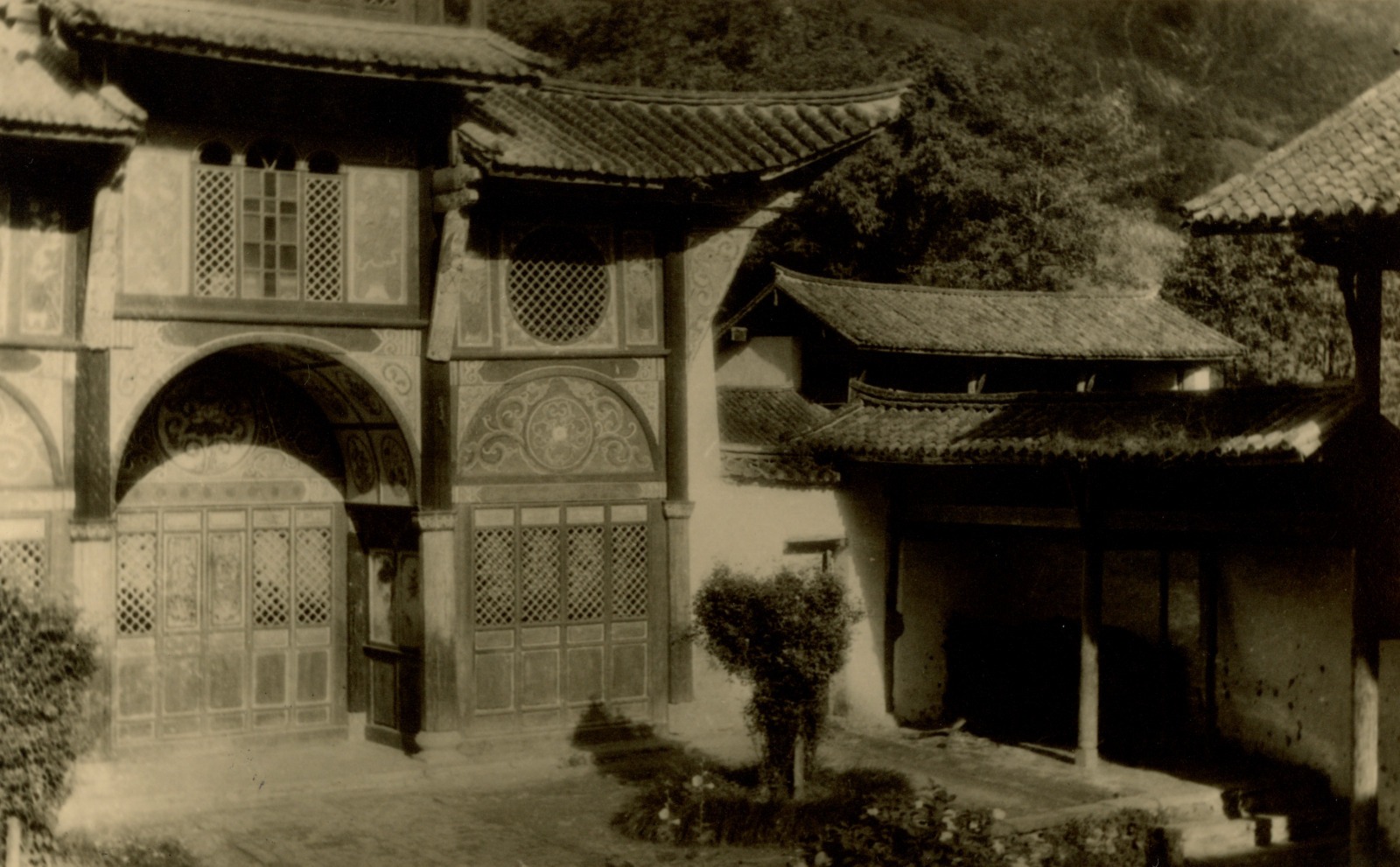
The photographic collection of the MEP is comprised of 3 boxes of photos taken during the 20th century, between 1905 and 1959. About 500 photos, organised separately and mostly annotated, show case the missionary activity that took place during the development of the catholic church in the tibetan region. The pictures were collected through succesive deposits by missionaries over the years. A detailed inventory of each box is availble for consultation. The digital format of the collection is also available upon request for a reproduction.
These pictures are a valuable contribution to the knowledge about missions, as they provide for documentation on the intergration of missionaries to the border communities of India and the Tibetan Marches, as well as information about churches established in the different outposts. The three albums are not organized by chronological orders but divided into three categories:
Box 28 (1905-1946) is dedicated to the activities of the missionaires, specificaly those relating to the churches in Bahang and Tschung, the tombs of the martyrs, group pictures in which missionaries stand alongside nuns and seminarians, or formal events such as the ordination of Mgr. Valentin [2770].
Box 29 (1921-1935) is composed of pictures from journeys through the march between India and China and the inner region of Tibet, annotated with short descriptions or anecdotes. The pictures provide a visual representation of the vast fields on the road to Tsechung, the mountain pass of Li-Tin-Ping and of Latsa. The difficult travelling conditions are depicted through the construction of makeshift bridges, tree trunks sculpted into ladders, or rope bridges used by travellers as well as animals to cross the Mekong Gorges. This set is supplemented by the collection of Fr. Emile Burdin [3550], a testimony to the mountainous and rural landscapes during his trip from Hanoi to Tsechung.
Box 30 (1930-1959) contains pictures of local inhabitants in their everyday life along with pictures of sites and emblatic figures of tibetan buddhism. Group photos show different categories of people, including people part of the Loutse and Khioutze ethnic minorities, lamas, mandarins. the agricultural techniques of the local population are represented by hunts, the tanning of animal hides, and field work. A few cult object were identified such as a mobile prayer wheel, prayer beeds or a dorje.
Focus on a document
Fr. Christian Simonnet [3625] (1912-2002) decided to prepare a journey to Tibet. He leaves Vietnam on a plane bound to Kunming on the 8th of June 1946. Using different means of available transportation, he reaches Tzedzjong on the 24rth of July 1946, county seat of the southern mission of Tibet, lead by the vicar Fr. Francis Goré [2940]. He spends months travelling between different missionary outposts until September 23, 1946, upon which he went back to Vietnam. He writes about his journey in a book published in 1949 by the Monde Nouveau Press in Paris, “Tibet!, A journey to the edge of Christianity”. Of this journey, IRFA keeps in the image library a collection of photographic collages of 8 pages called “Faces of Tibet” and reproduction of five portraits drawn and signed by Fr. Simonnet.
These representations portray different ethnic groups, such as the Mosso (Moso, Mosuo or Musuo) who live at the foothills of the Himalayas on the border between Yunnan and Sichuan, or the Minkia (Min-kia), inhabitants of the lowland of Tali, two Tibetans and a Taoist monk.